Shanghai's major art museums answer different questions. Shanghai Museum East is the strongest choice here for a broad introduction to ancient Chinese art. Museum of Art Pudong places changing international and domestic exhibitions beside the Lujiazui riverfront. West Bund Museum forms part of a larger cultural waterfront and works through an ongoing partnership with Centre Pompidou. Power Station of Art occupies a former Expo power-plant site and centres contemporary art, while China Art Museum uses the former China Pavilion to present modern Chinese art and Shanghai culture.
Do not choose from a generic top-museums list. Start with the art you want to see, then decide how much of the surrounding district belongs in the same day. Exhibition programmes, ticket rules, closing days and reservation systems change. Use the museum's own visit and exhibition pages immediately before going; the route suggestions below are editorial combinations rather than promises about current access.
At a glance
Start here
- Choose Shanghai Museum East for a permanent ancient Chinese art framework.
- Choose Museum of Art Pudong when a current exhibition and Lujiazui fit the same day.
- Use West Bund Museum for an art-led waterfront half-day, not a rushed city-centre add-on.
- Check every museum's current exhibition, ticket and admission page separately.
01
Choose by collection before choosing by fame
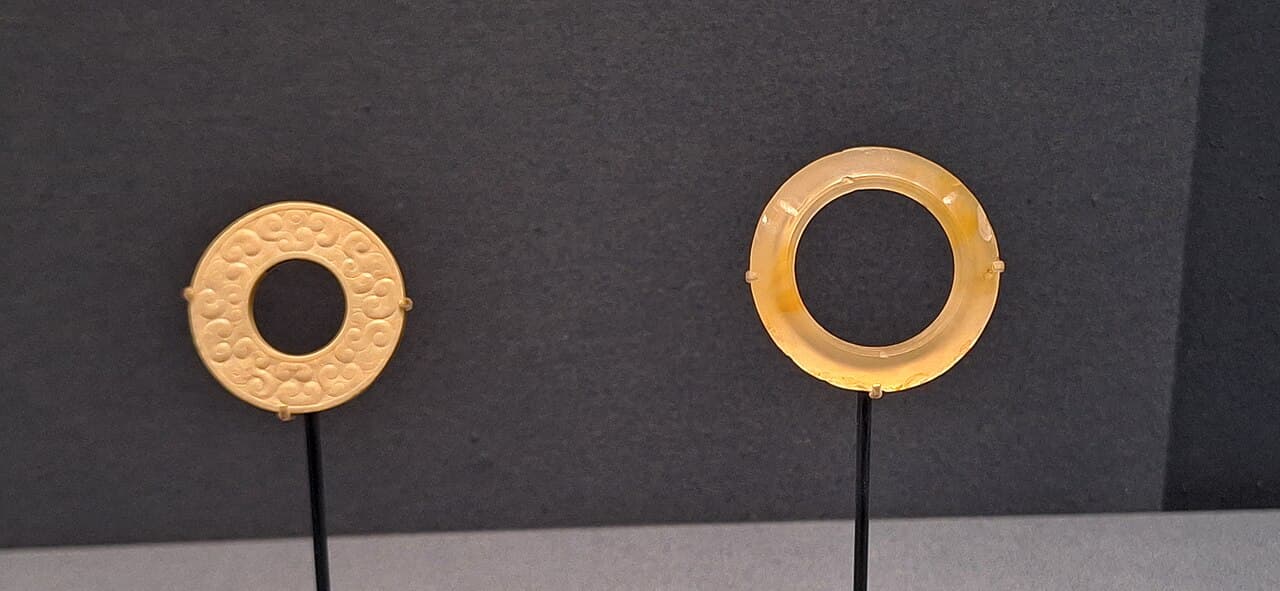
The useful first split is ancient Chinese art, modern Chinese art or changing contemporary and international exhibitions. Shanghai Museum East describes twenty galleries and interactive spaces, with permanent galleries devoted to bronzes, calligraphy, painting, seals, ceramics, coins and jade. China Art Museum's municipal profile instead describes permanent displays on modern Chinese art, recognised artists, Shanghai history and culture.
Museum of Art Pudong, West Bund Museum and Power Station of Art depend more heavily on the exhibition programme active during the visit. Read the current exhibition titles and the museum's own description before buying or reserving anything. A celebrated building cannot compensate for a programme that does not match your interests, while a smaller selection can be rewarding when its subject is exactly what you came to understand.
- Ancient Chinese art: begin with Shanghai Museum East.
- Modern Chinese art: examine China Art Museum's programme.
- Contemporary or international art: compare the three changing schedules.
02
Give Shanghai Museum East a collection-led plan
Shanghai Museum East in Pudong focuses on ancient Chinese art. Its official institutional page lists permanent galleries across major media rather than a single chronological hall. That breadth makes a cover-everything approach tiring. Pick two collection priorities before arrival, such as bronzes and ceramics or painting and calligraphy, and add a third only if energy and gallery access allow.
The official visit page distinguishes ordinary individual admission from interactive areas and ticketed special exhibitions, which may have separate requirements. It also tells visitors to bring valid identification and follow current entrance instructions. Check that page again before leaving, because the museum explicitly reserves the ability to adjust admission arrangements. A collection-first route remains useful even when a gallery introduces temporary flow control.
- Select two permanent-gallery priorities.
- Check whether an interactive space needs separate booking.
- Bring the original identification requested by the museum.
03
Pair Museum of Art Pudong with Lujiazui
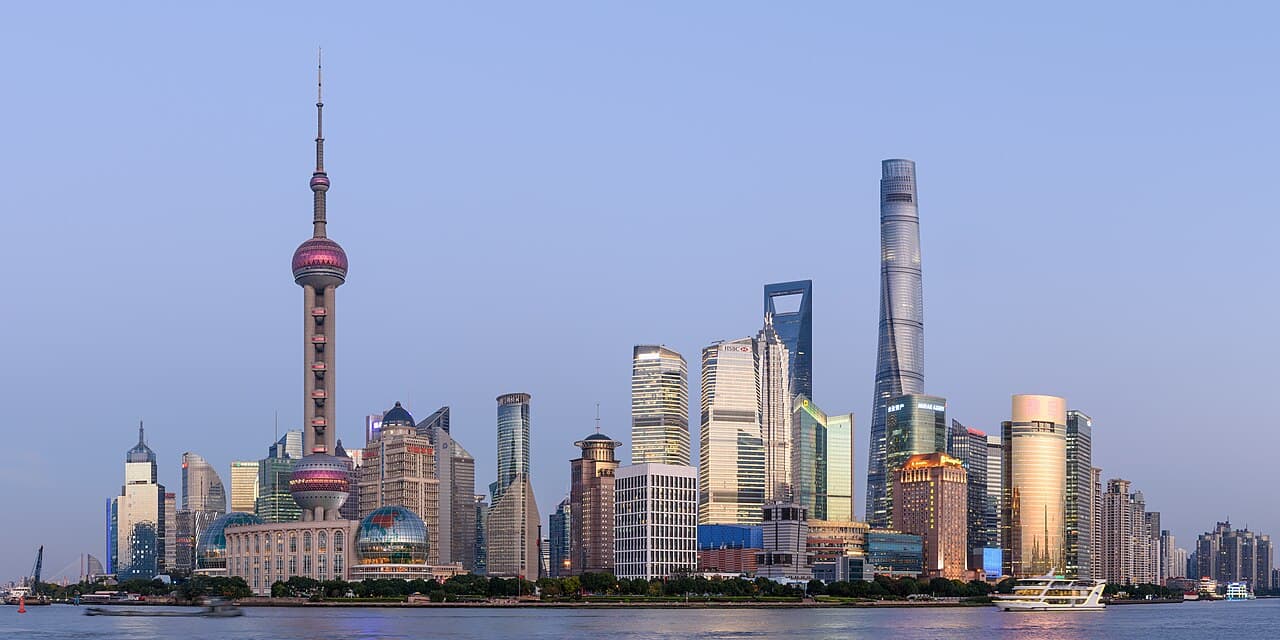
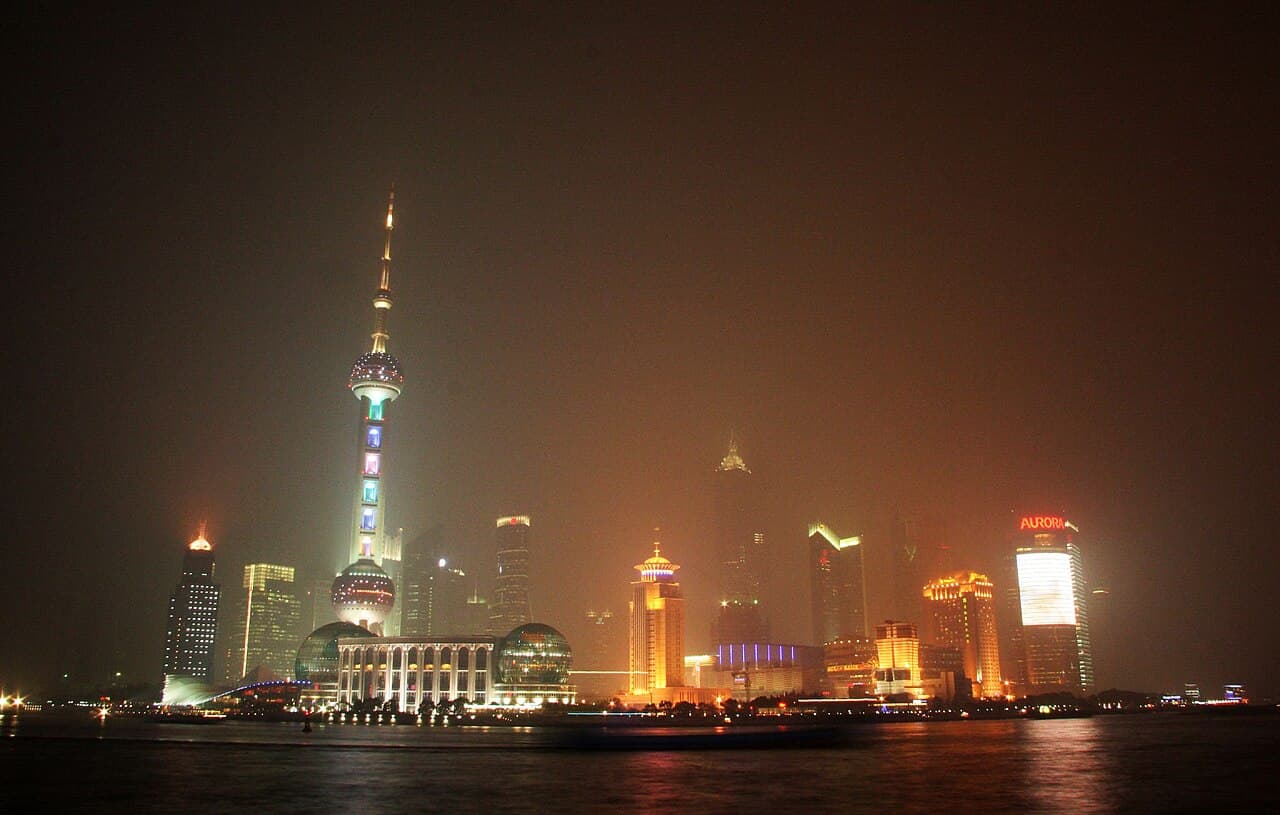
Museum of Art Pudong sits on Binjiang Avenue in the heart of Xiao Lujiazui and states that its programme presents international exhibitions as well as domestic artists. This is the natural choice when a specific current exhibition matters and the east-bank riverfront is already part of the day. Check the official exhibition page first; the institution's value on a given date is tied to what is actually on view.
Keep the pairing compact. Visit the museum and one riverfront or skyline stop rather than adding another distant art district. Ticket conditions and closing times belong to the museum's current website, not to a static itinerary. If the listed exhibition is not compelling, do not keep MAP solely because it appears on a checklist; move the day to Shanghai Museum East or a West Bund cluster instead.
- Read current exhibition descriptions before committing.
- Combine the museum with one nearby Lujiazui focus.
- Skip rather than forcing a programme that does not fit.
04
Build a West Bund art half-day
West Bund Museum is located on Longteng Avenue beside the Xuhui riverfront. Its official visitor page identifies a river entrance and a street entrance, while the Centre Pompidou describes the Shanghai project as a continuing programme of cooperation and jointly curated exchange. The surroundings therefore matter: this is an art-and-waterfront district rather than an isolated room to squeeze between central landmarks.
Choose the museum because of the active exhibition, then leave room for the public riverfront. Do not assume every cultural building nearby is included in one ticket or shares the same opening day. The visitor page lists its own transport and tour-booking arrangements; other institutions require separate checks. This half-day pairs naturally with the Shanghai riverfront guide and less naturally with a same-day Pudong museum marathon.
- Treat West Bund as a district-scale visit.
- Verify the current Centre Pompidou partnership programme.
- Check each neighbouring institution independently.
05
Compare two former Expo landmarks
Power Station of Art and China Art Museum both connect with the 2010 Expo landscape, but they serve different editorial needs. The municipal profile says Power Station of Art occupies the former Pavilion of Future and is home to the Shanghai Biennale. Its programme is the one to inspect for contemporary art and large thematic projects.
China Art Museum moved into the former China Pavilion in 2012. Its permanent displays address modern Chinese art, notable artists and Shanghai culture. Choose it when that national and local modern-art story is more important than a changing international programme. The two museums are not interchangeable simply because both reuse Expo-era buildings. Check the current official listings, then decide whether one deserves a focused visit or whether their programmes justify a carefully paced pair.
- Power Station of Art: inspect the contemporary programme.
- China Art Museum: prioritise modern Chinese art and Shanghai context.
- Do not infer shared tickets or schedules from their Expo connection.
06
Make one museum the anchor
A satisfying museum day usually has one anchor institution and one optional smaller addition. Put the collection you care about most first, allow time for security and navigation, and identify a stopping point inside the galleries. A list of five institutions is a comparison tool, not a proposed one-day itinerary.
District logic prevents wasted travel. Shanghai Museum East and Museum of Art Pudong are both in Pudong but not the same doorstep; West Bund Museum is in Xuhui; Power Station of Art and China Art Museum occupy the broader former Expo area. Map actual entrances and transit before combining any two. If a special exhibition requires a timed entry, build the rest of the day around that fixed point and keep the second stop optional.
- Anchor the day with one collection priority.
- Map entrances rather than district names.
- Keep a second museum optional.
07
Run a same-week museum check
Within the week of the visit, open each chosen museum's official exhibition and visitor pages. Confirm the programme, venue branch, opening day, admission method, identification rule and whether a special exhibition or guided tour has a separate booking. Shanghai Museum now uses shanghaimuseum.cn as its official domain, making old saved links a particular reason to start from the current homepage.
On the day, check announcements once more before crossing the city. Museums may change gallery access, control visitor flow or adjust holiday arrangements. The reliable habit is to preserve the purpose of the day while allowing the venue to change: if the desired exhibition is unavailable, switch to another institution in the same art category rather than improvising unsupported claims about what will be open.
- Confirm the exact branch and exhibition.
- Use the institution's current domain and visit page.
- Keep one same-category alternative.
Useful answers
Reader questions
Which Shanghai museum is best for ancient Chinese art?
Shanghai Museum East is the clearest match in this group. Its official description lists permanent galleries devoted to bronzes, calligraphy, painting, seals, ceramics, coins and jade.
Sources: Shanghai Museum; Shanghai MuseumAre Shanghai Museum East and People's Square the same venue?
No. They are separate branches at different addresses. The official homepage describes East as the ancient Chinese art centre, while the People's Square venue focuses more on special exhibitions and international cultural dialogue.
Sources: Shanghai MuseumWhich art museum pairs most naturally with a riverfront walk?
Museum of Art Pudong pairs with Lujiazui's east-bank riverfront, while West Bund Museum pairs with Xuhui's cultural waterfront. Choose according to the exhibition and the river district you want to explore.
Sources: Museum of Art Pudong; West Bund MuseumCan I visit all five museums in one day?
That would leave little time for the collections and require cross-city movement. Use the five as a comparison set, select one anchor, and add at most one compatible institution after checking current entry arrangements.
Sources: Museum of Art Pudong; West Bund Museum; Shanghai Municipal People's Government; Shanghai Municipal People's GovernmentRead the evidence
Sources and further reading
These sources support the relevant sections above. Plans and comparisons are editorial suggestions. Check operators for current arrangements.
- Welcome to the Shanghai Museum ↗Shanghai Museum · Accessed 14 September 2026
Current official domain, separate East and People's Square branches, addresses, current announcements and exhibition navigation.
- Visit: The Shanghai Museum East ↗Shanghai Museum · Accessed 14 September 2026
Individual admission, separate interactive-space reservations, identification, entrances, transport, facilities and changeable admission arrangements.
- Museum of Art Pudong ↗Museum of Art Pudong · Accessed 14 September 2026
Museum location, active exhibition programme, visitor navigation and official contact information.
- Visit ↗West Bund Museum · Accessed 14 September 2026
West Bund Museum address, river and street entrances, transport, tours and current visitor-information method.
- Centre Pompidou x West Bund Museum Project ↗Centre Pompidou · Accessed 14 September 2026
The museum partnership, jointly curated programme, location and role within the West Bund cultural waterfront.
- Power Station of Art ↗Shanghai Municipal People's Government · Accessed 14 September 2026
Power Station of Art's Huangpu River location, former Expo Pavilion of Future use and Shanghai Biennale role.
- China Art Museum, Shanghai ↗Shanghai Municipal People's Government · Accessed 14 September 2026
China Art Museum's move to the former China Pavilion and its modern Chinese art, Shanghai culture and permanent-display focus.